Harnessing earth’s energy
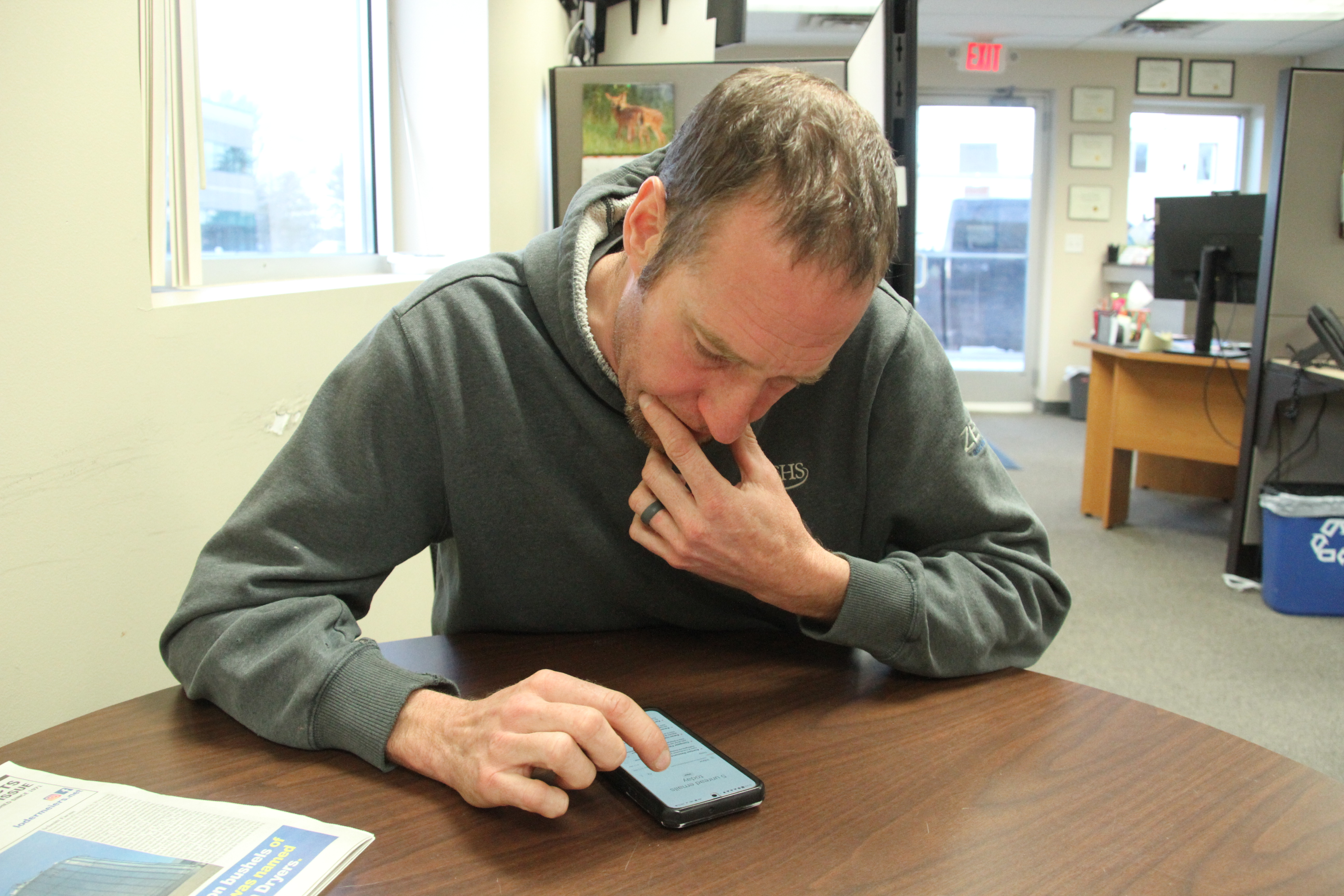
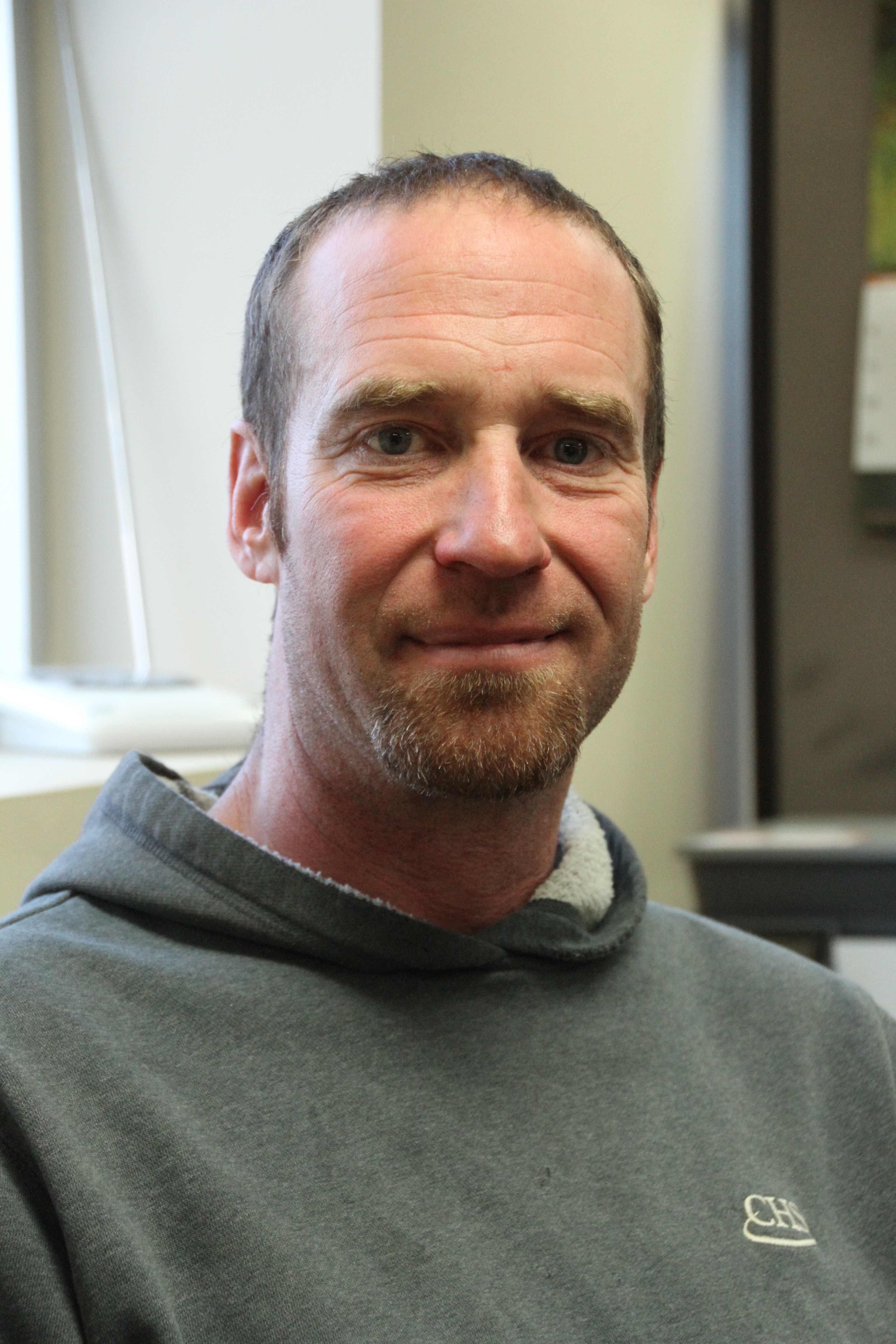
Mark Oeltjenbruns is starting a new company, Agrisun Energy & Repair, which will specialize with installing solar trackers.
-Mark Oeltjenbruns, Solar Producer
For years, Mark Oeltjenbruns has had a vision of creating a world powered with renewable energy not only on his rural Claremont farm for his own purposes, but also for others in rural Minnesota.
In fact, he revealed his dream to his wife and others in which he thought it would be great if they could buy some land and put up solar and “farm” the electricity as a full-time job, along with the crop farming he has been doing for years.
Oeltjenbruns is taking steps to make his dream become reality. He has become certified as a Mechatron solar tracker installer. Mechatron is an international commercial and industrial solar project developer based in California. He traveled to California to research the trackers and to obtain his certification.
After extensive doing extensive research on solar energy over the past six months, Oeltjenbruns has decided to focus on trackers instead of ground mount systems. He is now ready to unveil a new design of solar trackers to southern Minnesota through his new company, Agrisun Energy and Repair.
He is especially excited about this endeavor because his idea will not be like some of the other solar gardens that have popped up around the area, including the one on the east edge of Claremont as well as Lemond Solar Center on the western edge of Owatonna.
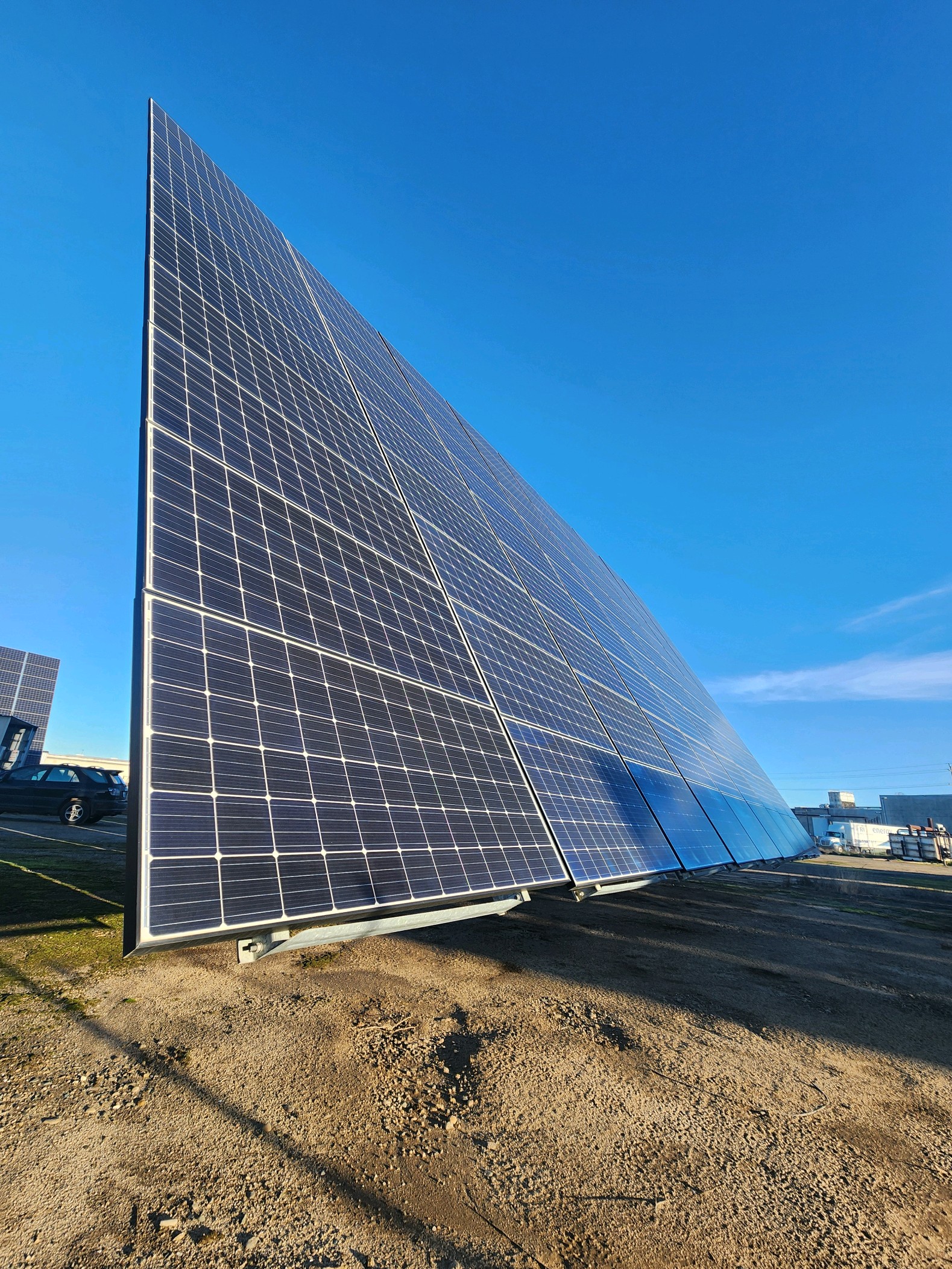
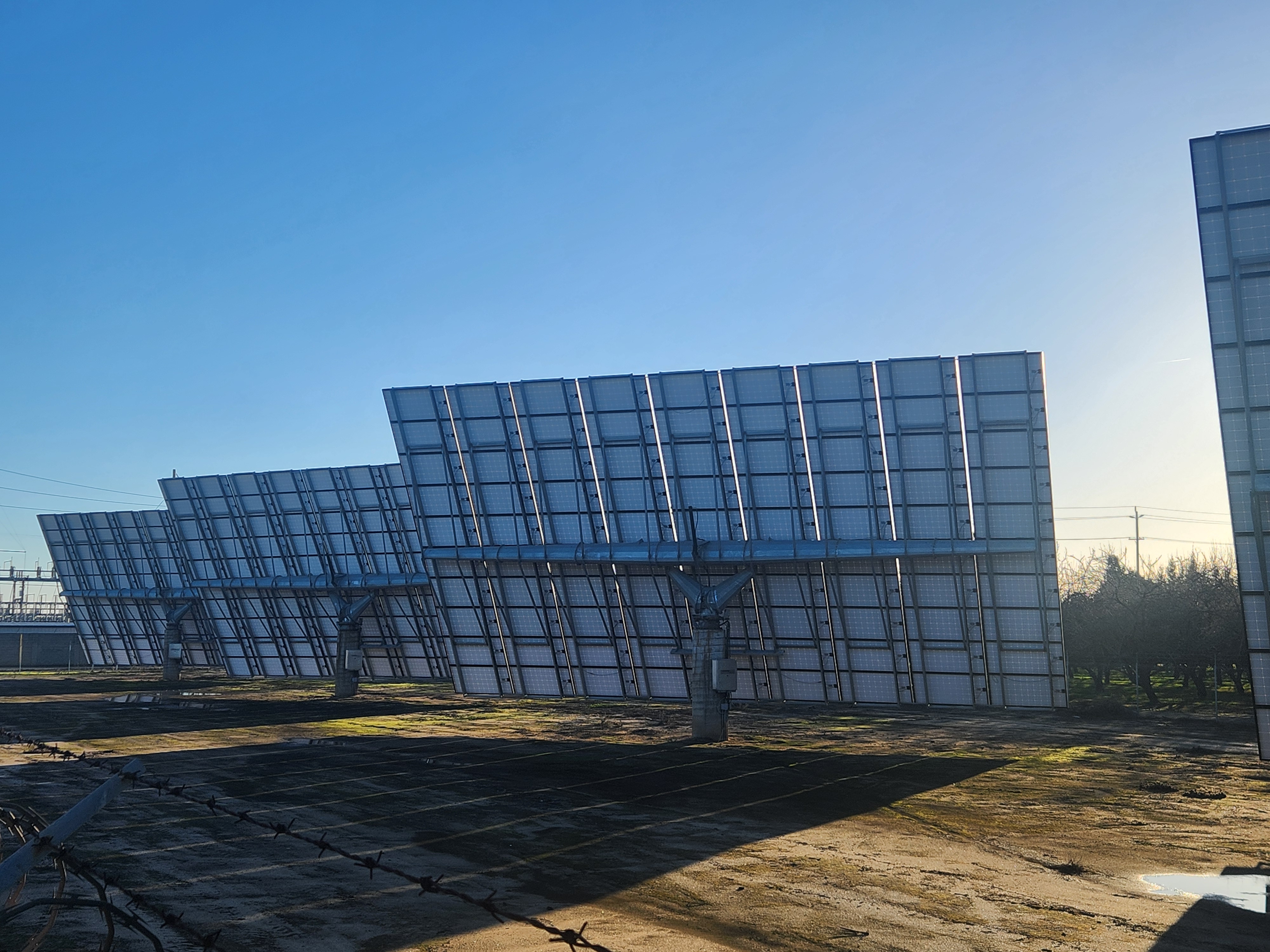
Oeltjenbruns’ solar trackers will be uniquely designed as being the smallest footprint of solar available on Earth as well as being able to literally farm underneath them. For example, he said his trackers will take up 75% less ground space than the Claremont solar garden.
To do a comparison with the Lemond Solar Center, Oeltjenbruns said Lemond uses 35 acres of land while a similar set-up with his trackers would utilize 25 acres. The biggest difference, he points out, is that every bit of land would be farmable next to the concrete columns. He said Lemond generates 18,000 kilowatt hours of energy per day, and his would produce 30,000 or more kilowatt hours.
“That’s 34% more power on the very conservative side, and we’re double utilizing the land,” Oeltjenbruns said. “Now that’s green renewable energy.”
He added, “Farmland is getting eaten up with solar panels. My trackers will not take up any farmland. The biggest bonus is that we can produce crops under them.”
A single tracker would be roughly 33 by 57 feet in size, small enough and accessible to “make hay and plant corn under them,” he said. He noted there will be 3-foot pillars around the base of the tracker.
While the trackers originated in Europe, they are popular in western states like California, Nevada and Arizona, according to Oeltjenbruns. There are currently about 4,000 trackers in the entire world. “I think they will start flourishing here,” he said. “These are absolute monsters. It’s impressive,” he added.
“Everyone is all about green energy and nobody wants to listen to windmills spinning,” said Oeljenbruns. “Let’s rethink this whole solar thing and get it up in the air.”
Currently, Oeltjenbruns is in the beginning stages of building a shop on his farm. Once the shop is ready later this summer, he will begin constructing solar trackers and installing them. Installation would take two to three weeks.
The cost of a single tracker will be approximately $170,000, but as Oeltjenbruns points out, there is “incredible” funding behind them. Rural small business owners and farmers will be able to apply for grants through the USDA’s Rural Energy for America Program. He estimates those who qualify could get up to 50% of the cost covered. There are also state and federal tax incentives available.
Another important incentive to going solar is how it will offset the electricity use at the home location. “In most cases, you will be able to sell back excess electricity at retail rates,” Oeltjenbruns said.
He estimated a single tracker would produce income of about $11,000 per year. In that case, it would only take about five years to pay it off with all the other incentives and grants available, Oeltjenbruns said.
Once he begins manufacturing solar trackers, Oeltjenbruns expects to add employees.
“It will become full time down the road,” he said. “I’m living out my dream.”
And his hope is that this will become lucrative for his customers where they will “save a ton of money” in energy costs.