


The song is over. Is the welcome still there?
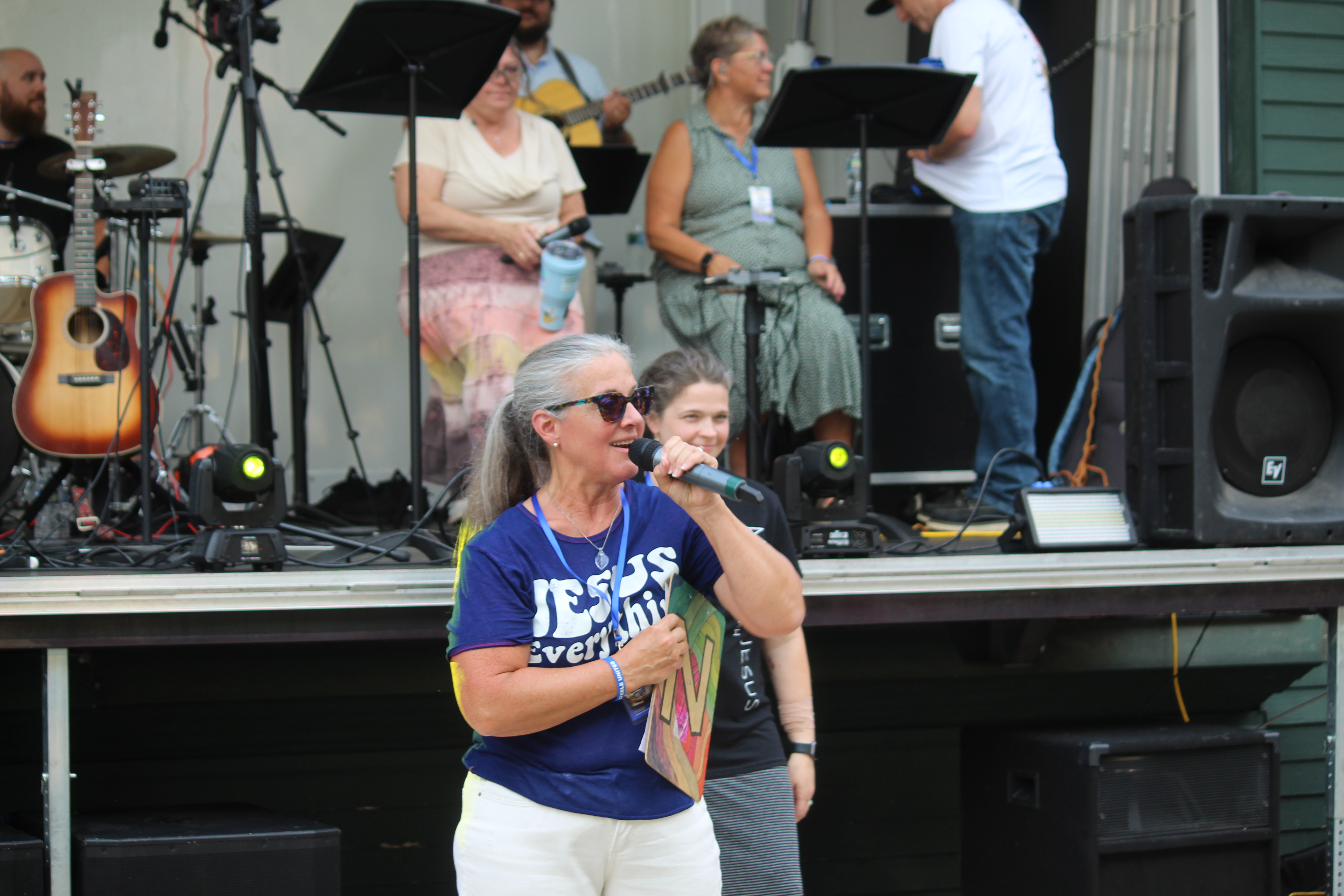
Christian writer Douglas Vandergraph references the Steele United Worship for Jesus gathering that took place earlier this year in downtown Owatonna.

An outdoor worship service eventually ends. The music settles, families gather their children, and people head home. But for a Christian community, the most important question may begin after the last song: What happens to the welcome when everyone leaves?
I was encouraged to read the Steele County Times report on churches coming together for the Steele United Worship for Jesus gathering in Owatonna. The organizers spoke about putting Jesus, rather than individual churches, at the center. That distinction is worth taking seriously, and it has implications far beyond a single evening of music and prayer.
Jesus said His followers would be known by their love for one another. He did not say they would be known by how well they could fill a park, how beautifully they could sing, or whether people could identify which church organized the event. Those things can be meaningful. They are not the final measure.
The measure begins when somebody who stood in the crowd returns home to an ordinary, painful problem. Perhaps a family member is sick. Perhaps the money is short, a marriage is strained, or a neighbor has become isolated. The songs may have been beautiful, but now somebody needs a ride, a conversation that is not rushed, or groceries delivered without embarrassment.
In James 2, Scripture asks what good it does to offer warm words to someone who lacks food and clothing while doing nothing about the need. It is not an argument against prayer. It is a reminder that a prayerful life should move our hands as well as our lips.
A community like Owatonna or Blooming Prairie already understands that people depend on one another. We see the value of churches, volunteers, teachers, and people who quietly do the unglamorous work. The Christian invitation is to make that care consistent, not merely occasional. Look for the person who is absent. Make room at the table for the newcomer. Return the call. Ask again next week.
And we must be careful not to turn service into a performance. Someone who needs help does not owe us a public testimony, a photograph, or a place on our social-media page. Love can be dignified and private. Christ was never confused about the value of a person simply because the crowd did not notice them.
I hope gatherings that celebrate Jesus continue to bring people together. I hope the friendships formed there stretch across congregational lines. Most of all, I hope they become visible in the quiet moments that do not make a program or a newspaper headline.
The song ends. The commandment to love does not.
Douglas Vandergraph is a Christian writer and Bible teacher in Fort Collins, Colo.